Luxury has always carried a price tag that was part of its allure. But now, some of the most powerful fashion houses in the world are rewriting the equation — and surprisingly, it might just be to your advantage.
1. Why Luxury is Becoming More “Accessible”
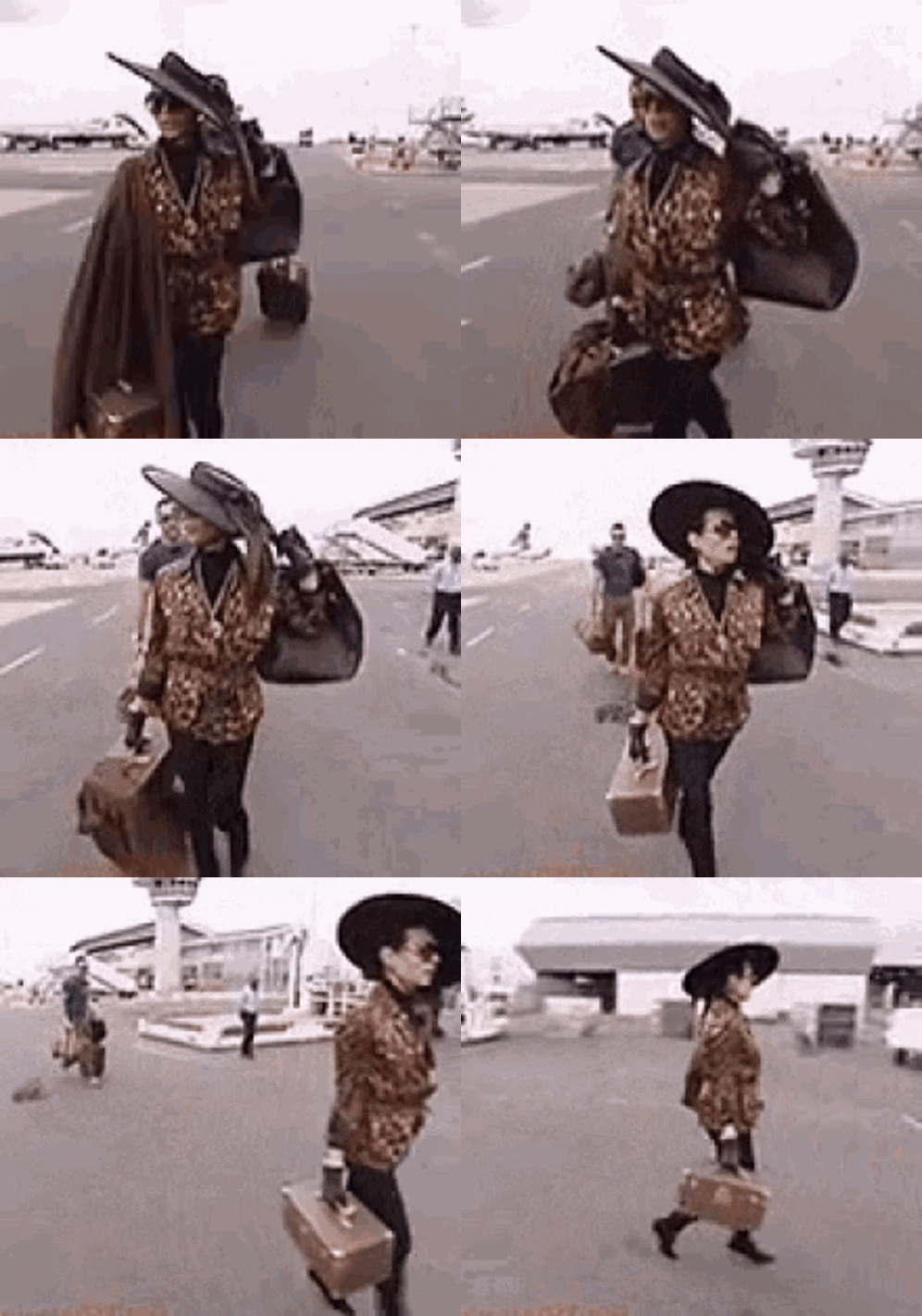
• After years of relentless price hikes (some iconic pieces rising over 60% since 2019), several maisons are facing a new reality: the market is cooling, consumer loyalty is fragile, and heritage brands need to reconnect with their base. What used to be out of reach for many is now entering a new phase — one where exclusivity and accessibility are learning to coexist.
2. The Burberry Case: A Turning Point

Few moves were as bold as Burberry’s. The house leaned on its British heritage while simultaneously reducing the prices of key handbags. The result? A 60% surge in its market value in just a few months — proof that the right balance of prestige and accessibility resonates deeply.
3. A Widespread Movement
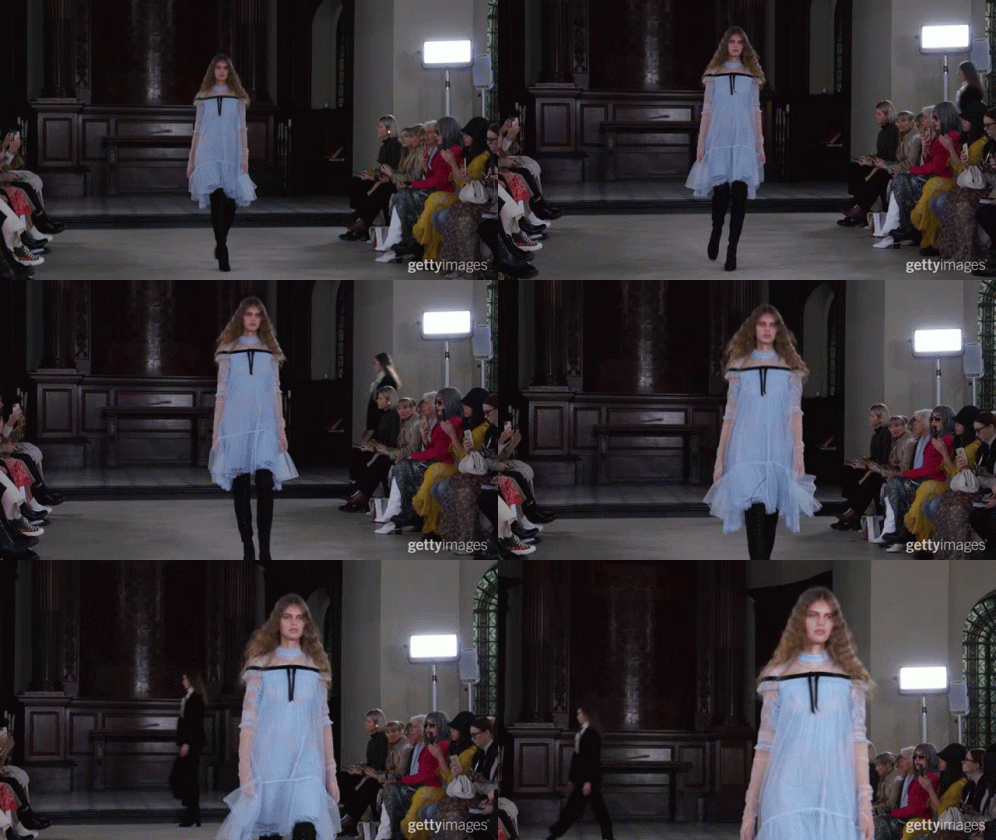
•Burberry is not alone. Victoria Beckham has recalibrated her pricing strategy. LVMH has been pruning brands like Off-White and Marc Jacobs from its portfolio. Prada is reconsidering Versace’s future. Even Gucci is rethinking its positioning under Demna, especially with slowing demand in China. Luxury’s landscape is shifting — less about extreme inflation, more about rebuilding relationships.
Final Thought
For fashion lovers, this moment is golden. It’s not about “cheap luxury” — it’s about investing in iconic, timeless pieces at a fairer price point. Think of it as an opportunity to build a wardrobe with intention: fewer trends, more heritage. Is this a true democratization of luxury — or just another strategy to win back customers? And more importantly: which iconic piece would you finally take the plunge on now that prices are easing? Drop your thoughts in the comments and share this with a friend who loves fashion history!
 VoxMundi - Fashion
Leave a comment